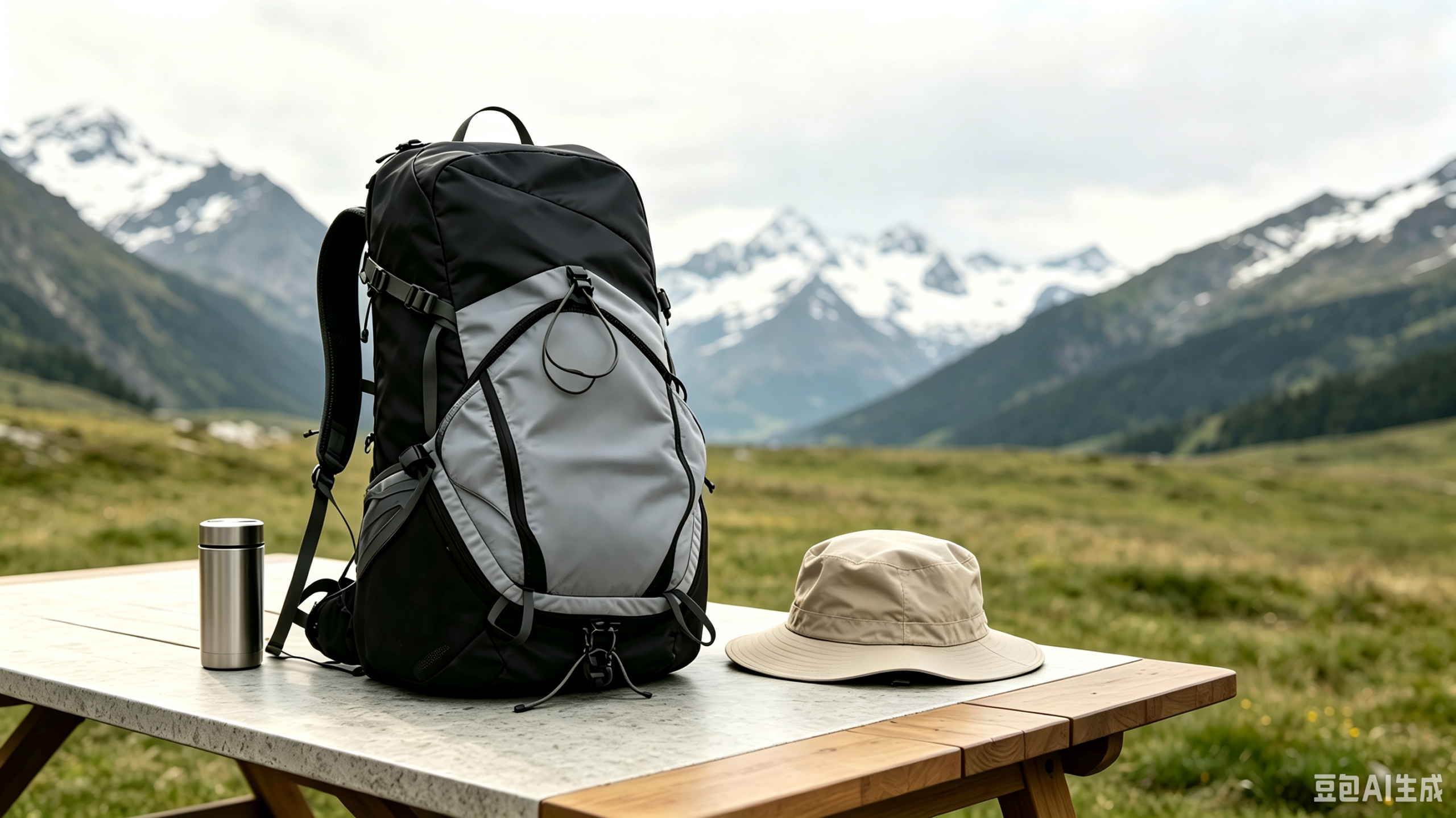
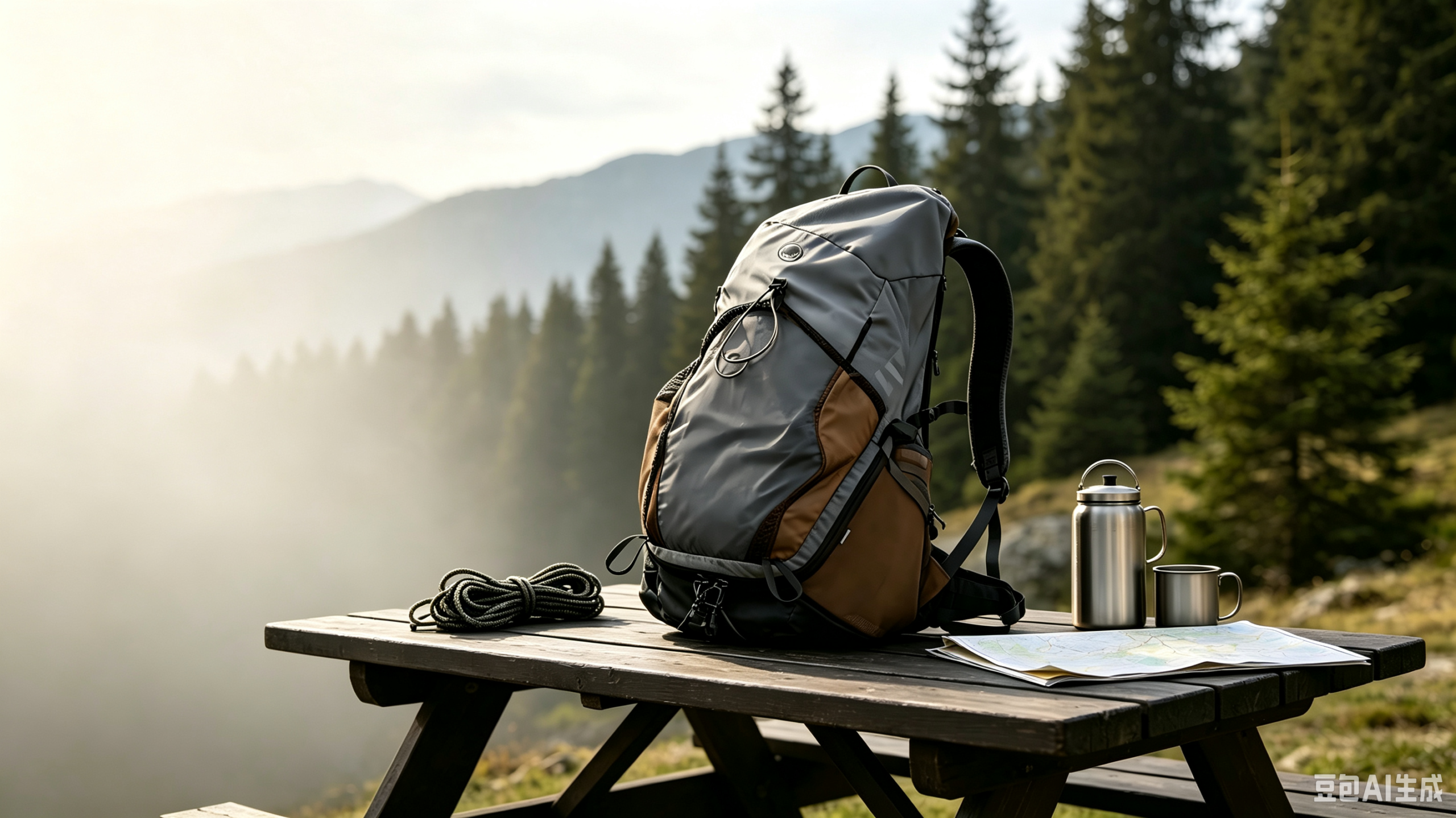
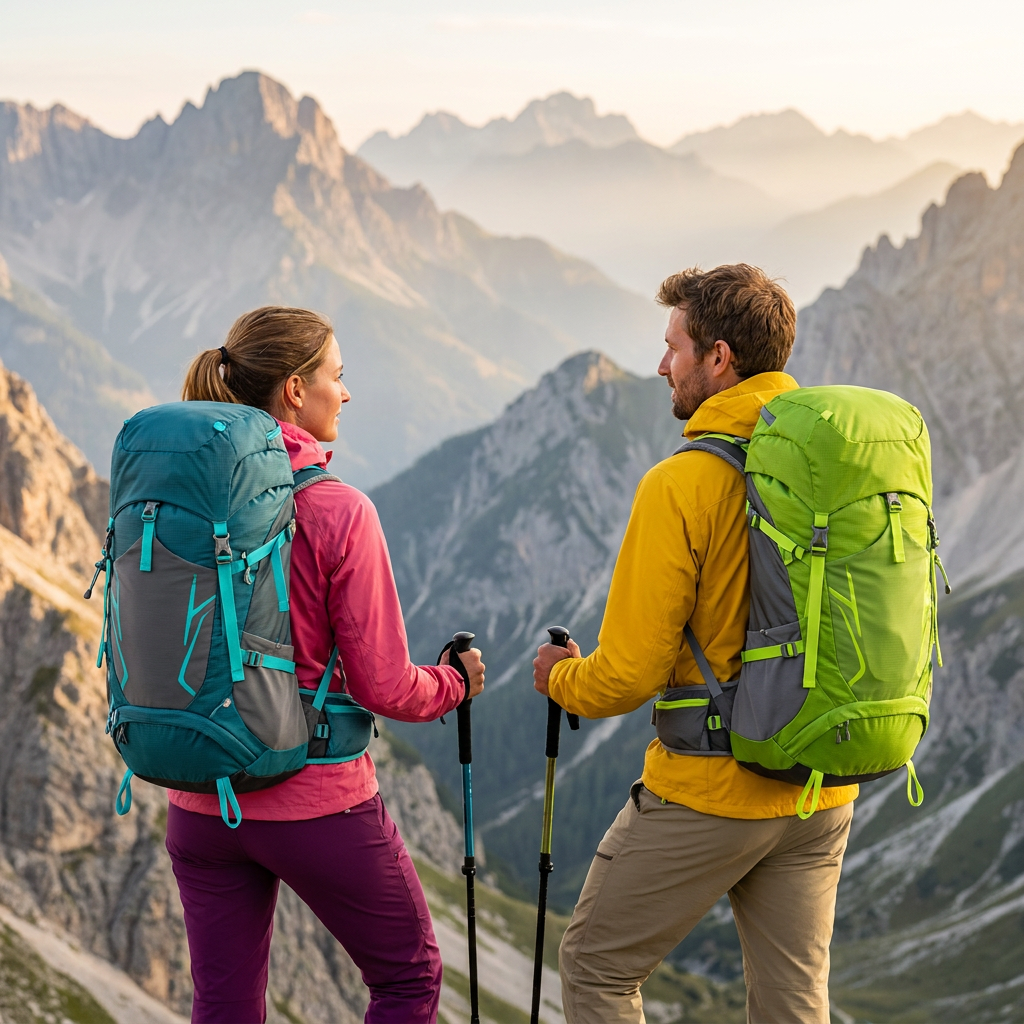
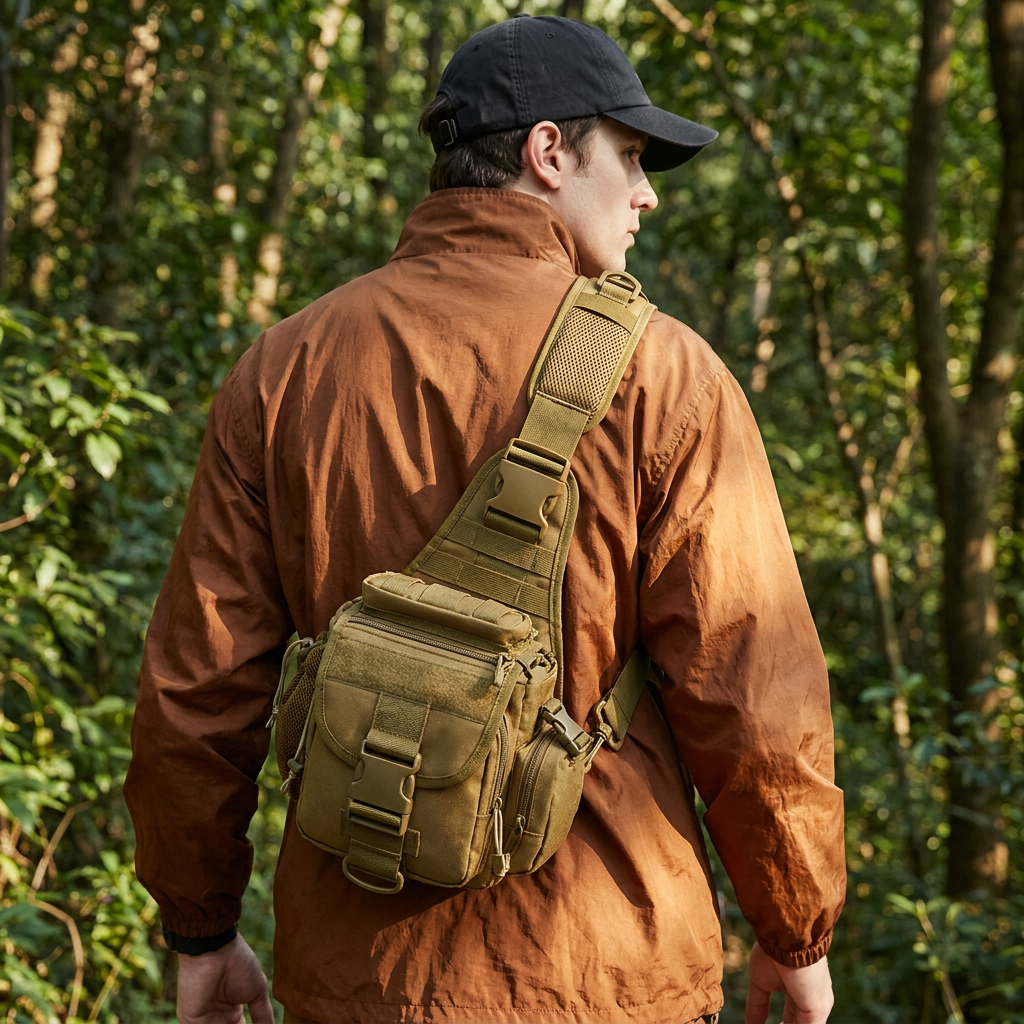
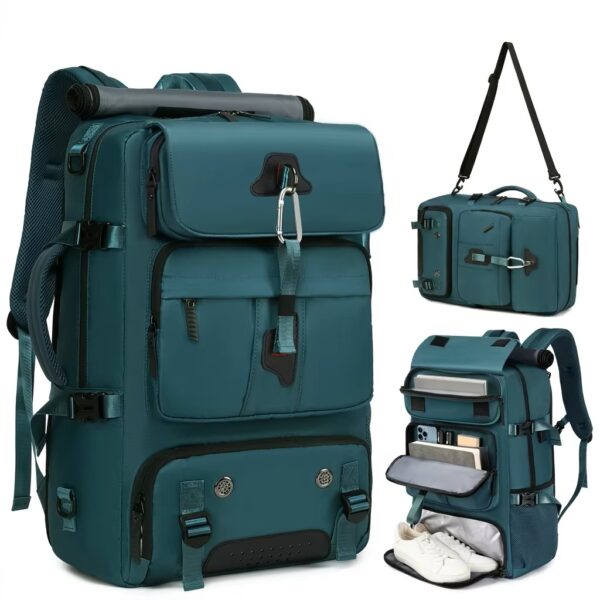
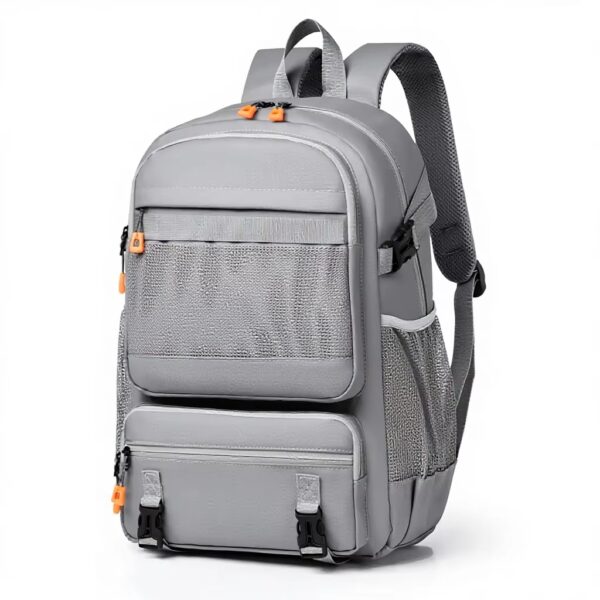
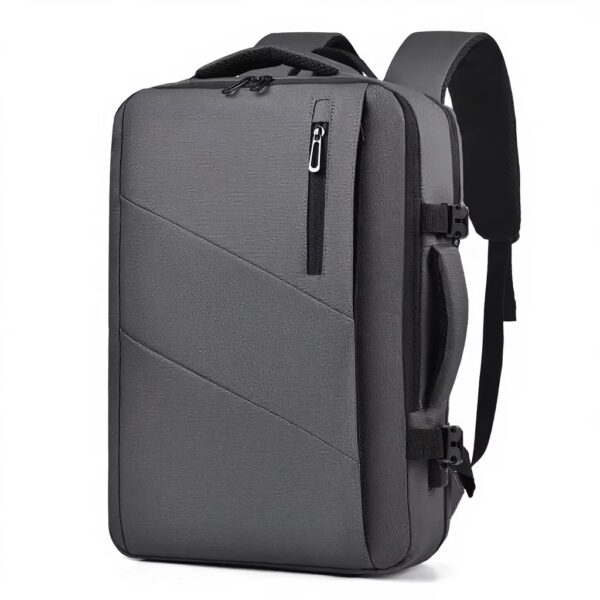
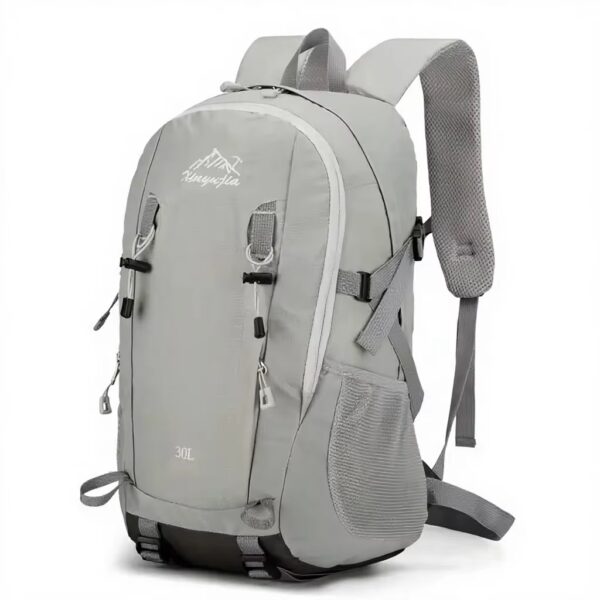
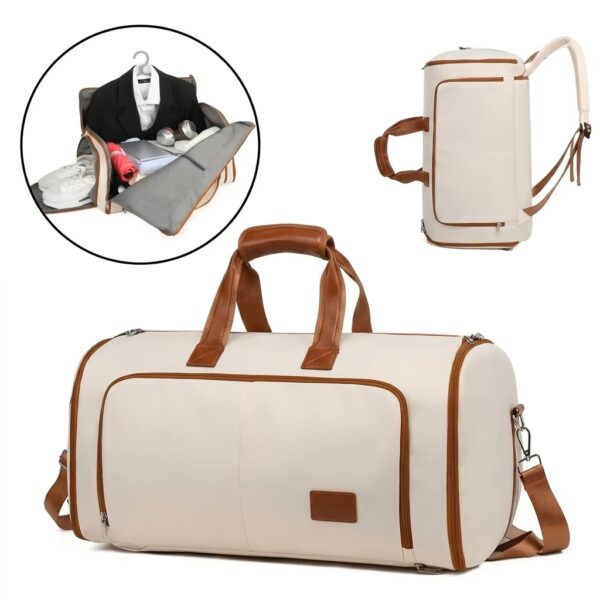
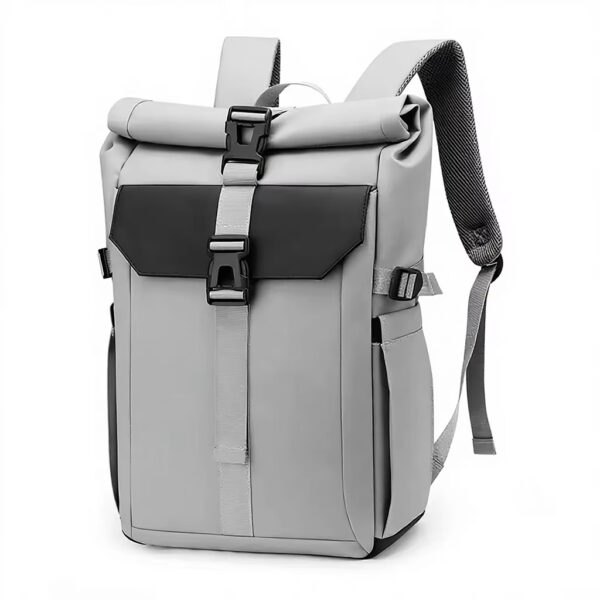
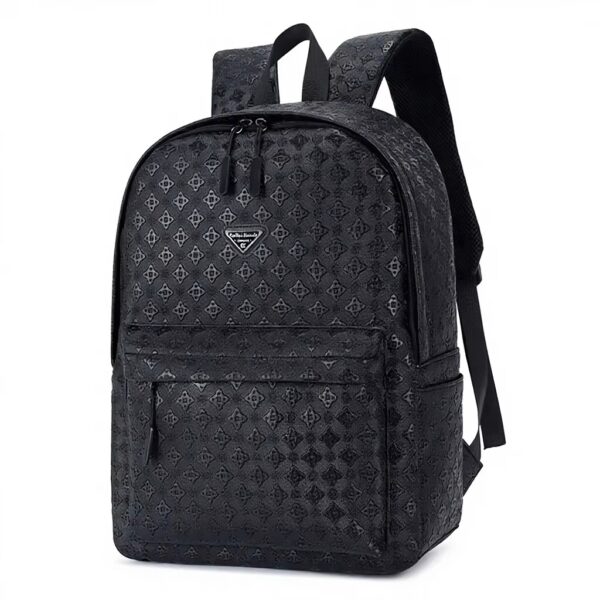
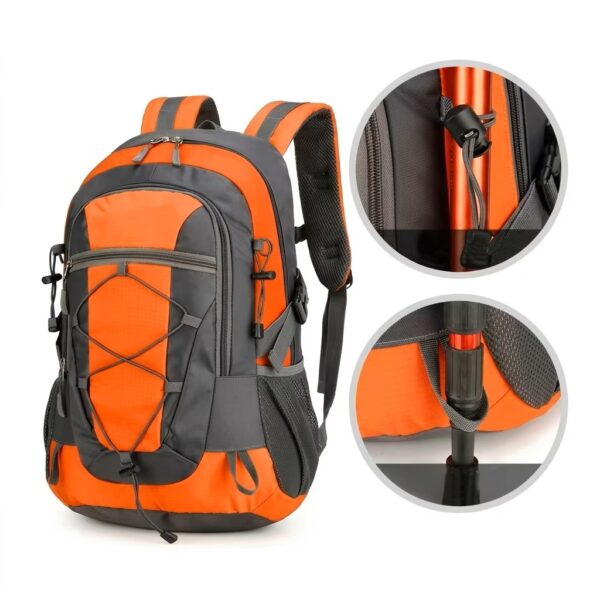
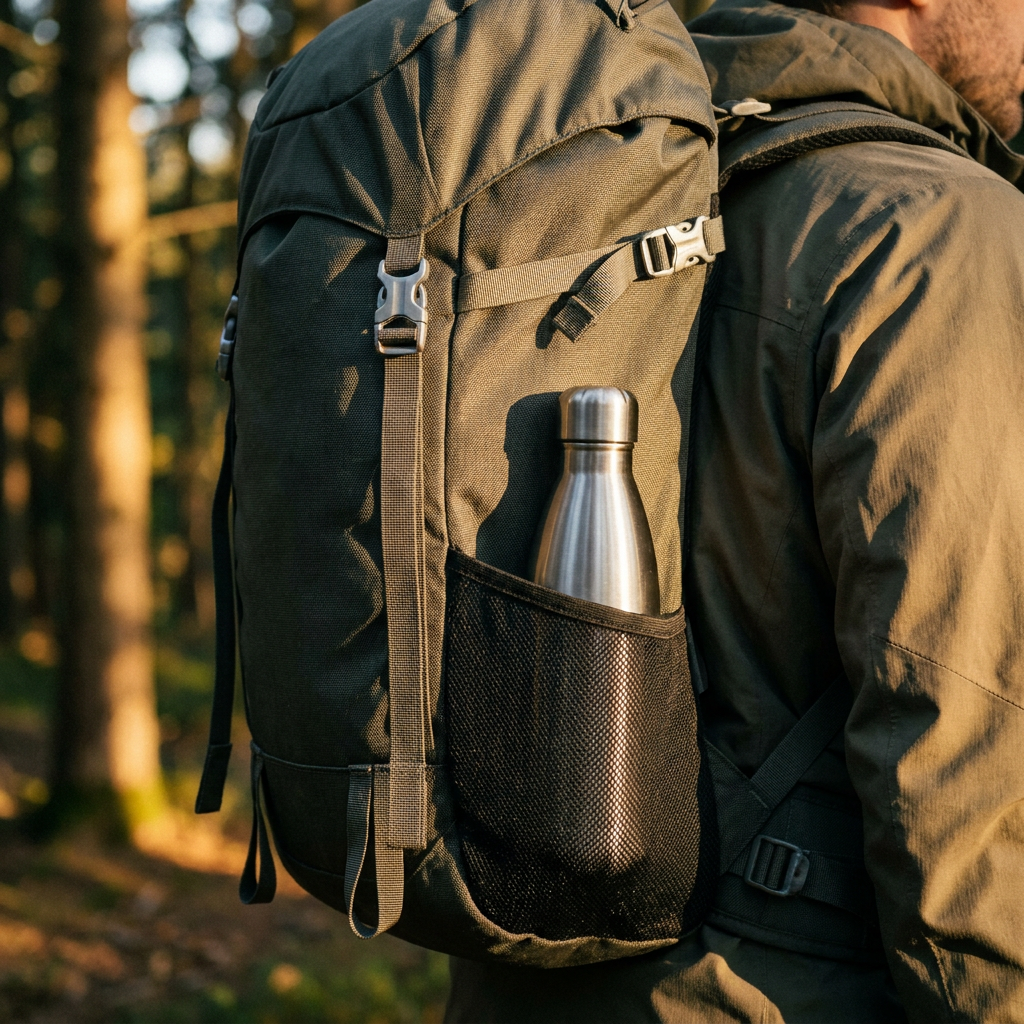
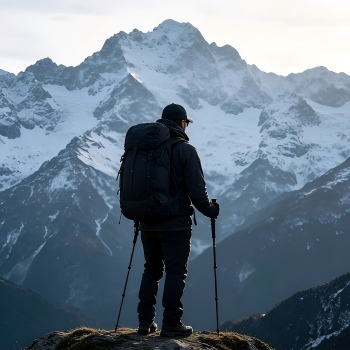
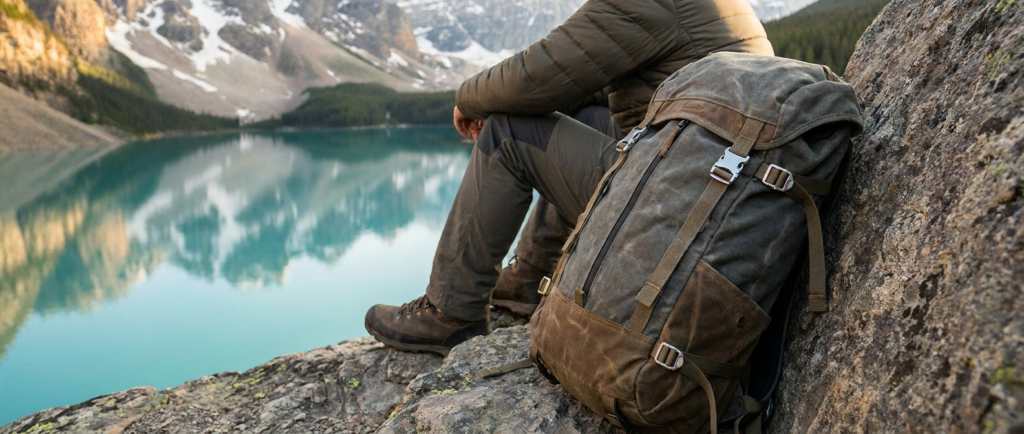
How to choose your Mountaineering Backpacks,other types of backpacks
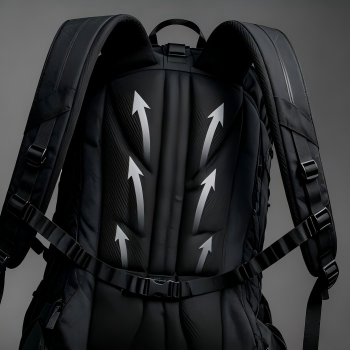
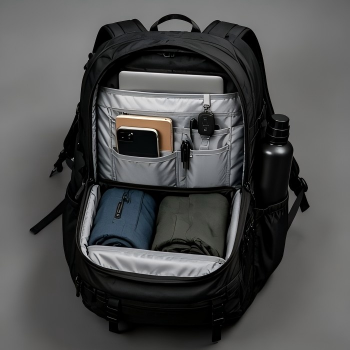
Consider your activity Hiking: Often compatible with hydration reservoirs, have external gear straps/loops Running: Designed to limit bounce, hydration compatible Climbing: Slim profile, abrasion-resistant reinforcements Cycling: Road cycling packs compact with lower profile; MTB packs hold more gear How much gear will you carry? 10L or less: Short runs, quick outings, casual use, essentials only 11–20L: Day hikes, cycling, can carry an extra layer 21–35L: Sweet spot for multi-hour or full-day hikes, travel 36–50L: Gear-heavy outings l(all-day hikes, climbing), winter hiking, ultralight backpacking Internal frame or frameless? Internal frame: More support for heavier loads, but bulkier Frameless: Lighter weight and more compact, but less support Find the right fit Use torso length (not overall height) to find your pack size Measure your hip circumference (slightly higher than your pant-waist size) and check that against the hipbelt size
On The Blog
Discover the latest news we provide to help you gain more inspiration and support.